
By alphacardprocess March 24, 2026
Accepting credit cards is essential for small businesses today. Customers expect fast, secure, and convenient payment options, whether they shop in person or online. To accept these payments, most businesses need payment processing equipment like card terminals or POS systems.
However, how you obtain that equipment is just as important as having it. Many small businesses sign a credit card terminal lease without fully understanding what they are agreeing to. What seems like a small monthly payment can turn into a very expensive long-term obligation.
Government regulators have warned that some payment processing offers may include misleading claims, especially when it comes to equipment leases that cost far more than the actual value of the device. This is why business owners must carefully review every merchant services contract before signing.
This guide explains what small businesses should know before leasing payment equipment, how to avoid a merchant equipment lease trap, what to know about terminal lease cancellation, and how early termination fee merchant services policies can affect your finances.
Table of Contents
What Is a Credit Card Terminal Lease?

A credit card terminal lease is a contract where a business rents payment processing equipment instead of purchasing it. The business agrees to pay a fixed monthly payment for a set contract period, typically between three and five years.
While leasing may appear affordable at first, the total cost is often much higher than simply buying the equipment outright.
Many business owners sign leases because they are told the following:
- The upfront cost is lower
- Monthly payments are manageable
- Equipment upgrades are included
- Maintenance is covered
- Approval is easy
While these benefits may sound attractive, the full contract terms often reveal significant financial commitments that are not immediately obvious.
Credit Card Terminal Lease vs. Buying Equipment
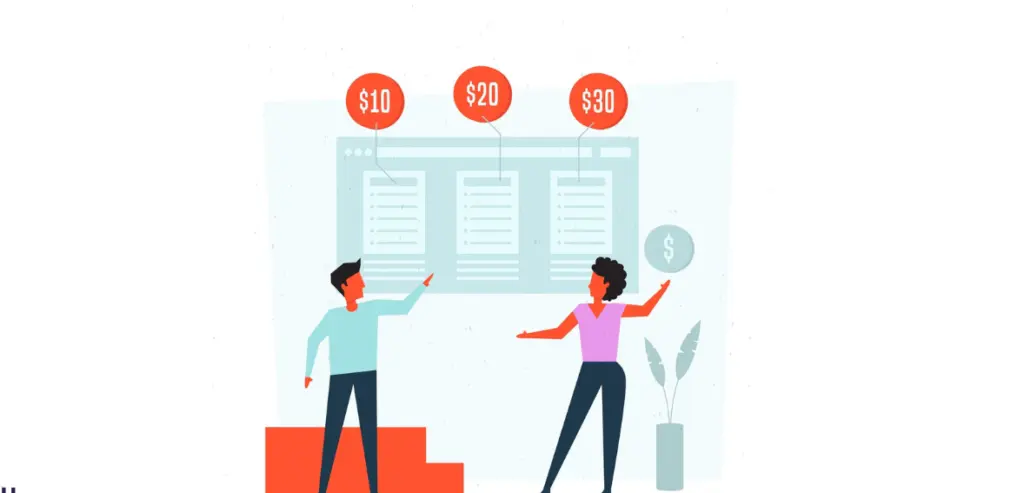
Understanding the difference between leasing and buying is critical before making a decision.
Buying Payment Equipment Usually Means:
- One-time purchase cost
- You own the equipment
- No long-term lease obligation
- Freedom to change processors
- Lower overall cost
- Ability to resell equipment
Leasing Payment Equipment Usually Means the Following:
- Monthly payments for several years
- You may never own the device
- Legally binding contracts
- Cancellation penalties
- Higher lifetime cost
- Limited flexibility
For example, a payment terminal worth $500 may end up costing $3,000 to $5,000 through a lease. Many businesses only realize this after they calculate the full payment total.
Why Small Businesses Fall Into Merchant Equipment Lease Traps
A merchant equipment lease trap usually happens when business owners sign contracts without understanding the full financial impact. Sales presentations often focus on affordability rather than total cost.
According to federal consumer protection guidance, businesses should be cautious of processing offers that promise savings but hide important contract details in fine print.
Some common reasons businesses fall into lease traps include a lack of time, trust in sales presentations, and not reviewing full agreements.
Common Sales Tactics That Lead to Bad Lease Agreements
Understanding common sales strategies can help businesses avoid costly mistakes.
High-Pressure Sales Tactics
Some sales representatives create urgency by saying the following:
- This offer is only available today.
- Prices are increasing tomorrow.
- Approval expires soon
- This is a limited promotion.
Legitimate providers allow businesses time to review agreements carefully.
Focus on the Monthly Payment Instead of the Total Cost
Instead of showing the total cost, some sales presentations only show the monthly payments.
Example:
$75 per month sounds affordable.
But:
$75 × 48 months = $3,600
If the equipment is worth only $400, the business pays far more than the actual value.
Claims That New Equipment Is Required
Some businesses are told:
- Their terminal will soon stop working.
- New regulations require replacement
- Security rules require upgrades.
- Their processor is discontinuing support.
While upgrades do happen, businesses should always verify these claims independently.
Verbal Promises That Are Not in the Contract
Some agents promise:
- Easy cancellation
- Free upgrades
- No penalties
- Flexible terms
If these promises are not written in the agreement, they usually do not apply.
Hidden Costs Inside POS Equipment Lease Agreements
Many leases contain costs beyond the monthly payment. These extra charges often surprise business owners later.
Long Contract Terms That Limit Flexibility
Most leases range from the following:
- 36 months
- 48 months
- 60 months
These long-term contracts reduce flexibility if your business changes direction.
Some contracts also include automatic renewals if a cancellation notice is not submitted within a specific timeframe.
Early Termination Fee Merchant Services Policies
An early termination fee, merchant services penalty applies when you exit a contract before the end date.
These fees may include:
Fixed Cancellation Fees
Examples include:
- $295 termination fee
- $495 cancellation charge
- $795 early exit penalty
Remaining Balance Requirements
Some contracts require paying all remaining months.
Example:
30 months remaining × $65 = $1,950 due.
Liquidated Damages Clauses
This is one of the most expensive structures. It may require paying the projected profits that the provider expected to earn.
Equipment Payoff Requirements
Some contracts require full lease payment even if the equipment is returned.
Non-Cancelable Lease Agreements Explained
Some contracts are written as noncancelable leases. This means the business must continue payments regardless of circumstances.
This may include situations where:
- The equipment stops working.
- Business closes
- Processing provider changes
- Equipment becomes outdated
- Business relocates
Because leasing companies operate as financing companies, they typically enforce payment regardless of usage.
Why Terminal Lease Cancellation Can Be Difficult
Terminal lease cancellation is often more complicated than business owners expect. This is because leasing companies are usually separate from payment processors.
This means that canceling your processing agreement does not automatically cancel your equipment lease.
What Happens When You Try to Cancel Early
If you attempt cancellation early, you may face:
Financial penalties
These may include termination fees and remaining balance payments.
Collections activity
Unpaid balances may be sent to collections.
Credit impact
Delinquent accounts may affect business or personal credit.
Legal enforcement
Some contracts include legal enforcement provisions.
This is why contract review before signing is critical.
Questions Every Business Should Ask Before Signing
Before signing any credit card processing agreement, business owners should ask clear and direct questions.
Cost Questions You Should Always Ask
Important Cost Questions:
- What is the total lease cost?
- What is the equipment retail price?
- Are there hidden fees?
- Are there additional monthly charges?
- Is buying cheaper?
Contract Questions You Should Ask
Important Contract Questions:
- Is this lease cancelable?
- What is the termination fee?
- Is there automatic renewal?
- Is there a personal guarantee?
- Can the contract be transferred?
Processing Questions to Clarify
Important Processing Questions:
- Is this separate from processing?
- Can I switch processors?
- Are there monthly minimums?
- Are PCI fees included?
- Are support fees included?
Support and Equipment Questions
Equipment Questions:
- Who handles repairs?
- What if equipment fails?
- Are upgrades included?
- What happens if technology changes?
- Is replacement equipment free?
Warning Signs of a Merchant Equipment Lease Trap
Recognizing warning signs can prevent expensive mistakes.
Red Flags Business Owners Should Never Ignore
Major Warning Signs:
- Pressure to sign immediately
- Refusal to provide the full contract
- Unclear equipment pricing
- Verbal promises only
- Complex cancellation language
- Missing fee disclosures
If you see multiple red flags, it is wise to slow down and reconsider.
Better Alternatives to Leasing Payment Processing Equipment
Leasing is not the only option available. Many businesses find better financial outcomes through alternative approaches.
Buying Equipment Directly
Buying equipment often provides the best long-term value.
Benefits include ownership, lower cost, and flexibility.
Even refurbished terminals can provide reliable performance at a lower cost.
Month-to-Month Processing Agreements
Some providers offer flexible processing without long contracts.
Benefits may include:
- No long commitments
- Easier cancellation
- Equipment purchase options
- Pricing flexibility
Modern Smart Payment Terminals
Modern POS devices often combine hardware and software into one system. Some providers allow businesses to purchase these devices outright instead of leasing.
Negotiating Merchant Services Contract Terms
Many business owners do not realize that contracts may be negotiable.
Possible negotiation points include:
- Lower termination fees
- Shorter contract length
- Equipment purchase option
- Waived setup fees
Asking questions can often lead to better terms.
How to Safely Review a Merchant Services Contract
Before signing any agreement, businesses should follow a careful review process.
Step-by-Step Contract Review Process
Step One: Read the Entire Agreement
Focus on:
- Contract duration
- Fee structure
- Cancellation terms
- Renewal policy
- Equipment obligations
Never rely only on summaries.
Step Two: Research the Provider Reputation
Search:
Company name + complaints
Company name + reviews
Company name + BBB rating
This can reveal patterns of complaints.
Step Three: Compare Multiple Providers
Always compare at least three providers before deciding.
Compare:
- Equipment pricing
- Processing fees
- Contract terms
- Support services
Competition improves decision quality.
Step Four: Get All Promises Documented
If something is promised, it must be written.
This includes:
- No cancellation fee
- Free equipment
- Flexible terms
- Rate guarantees
Written documentation protects your business.
Step Five: Seek Professional Advice if Needed
For complex agreements, consider consulting:
- Accountants
- Business advisors
- Payment consultants
- Attorneys
Large financial commitments deserve careful review.
Understanding How Early Termination Fees Work
Understanding how termination penalties work helps businesses evaluate risk before signing.
Types of Early Termination Fee Structures
Flat Fee Structure
Simple fixed penalty regardless of timing.
Remaining Term Structure
Payment is required for the remaining months.
Tiered Fee Structure
Penalty decreases over time.
Liquidated Damages Structure
The most expensive model is based on expected profits.
Understanding which model applies can prevent unexpected costs.
When Early Termination Fees May Apply
Termination penalties may apply when:
Common Triggers:
- Business closure
- Switching providers
- Relocation
- Processing inactivity
- Business sale
Businesses should verify all trigger conditions.
Example of How a Lease Can Become Expensive
Consider this realistic scenario.
Small retail store signs:
Terminal lease:
$82 monthly
Term:
48 months
Total cost:
$3,936
Equipment value:
$450
Extra cost:
$3,486
If canceled halfway:
Remaining payments:
$1,968
Termination fee:
$495
Total exit cost:
$2,463
This example shows why understanding total cost is essential.
Situations Where Leasing Might Make Sense
Although buying is often better, leasing may sometimes work depending on business needs.
Situations Where Leasing May Help
Possible Situations:
- Limited startup funds
- Rapid expansion plans
- Technology upgrade programs
- Tax strategy planning
- Short-term operational strategies
Even in these cases, careful contract review is necessary.
Important Legal Terms Every Business Owner Should Know
Understanding basic contract terminology helps business owners avoid misunderstandings.
Key Contract Terms Explained
Personal Guarantee
The owner becomes personally responsible if the business defaults.
Liquidated Damages
Predefined penalty for early termination.
Non-Cancelable Lease
Full payment required regardless of equipment use.
Assignment Clause
The contract may be sold to another company.
UCC Filing
A creditor may file an interest against business assets.
Understanding these terms improves contract awareness.
Final Checklist Before Signing a Credit Card Terminal Lease
Business owners should review this checklist before signing any lease agreement.
Smart Business Owner Protection Checklist
Final Verification Checklist:
- Calculate total lease cost
- Compare purchase price
- Confirm cancellation terms
- Review termination fees
- Check contract length
- Verify auto-renewal terms
- Confirm all fees
- Compare multiple providers
- Keep contract copies
- Document all promises
Taking these steps significantly reduces financial risk.

Conclusion
Signing a credit card terminal lease is not just a simple equipment decision. It is a long-term financial commitment that can affect your business flexibility, expenses, and future options.
Many small businesses unintentionally enter a merchant equipment lease trap because they focus on monthly affordability instead of total contract value. Understanding terminal lease cancellation policies and early termination fee merchant services terms can help business owners avoid expensive surprises.
The best protection is careful research, contract review, and comparison shopping. Business owners should never rush decisions involving payment processing equipment. Taking extra time to review details can prevent years of unnecessary expenses.
Smart businesses approach merchant agreements with the same care as any major investment. When you fully understand your contract, you protect your cash flow, maintain flexibility, and position your business for long-term success.
FAQs
Is leasing credit card processing equipment a good idea?
Leasing may work for some businesses with limited startup funds, but buying is often cheaper long-term. Businesses should always compare the total lease cost versus the purchase price before deciding.
Can I cancel a credit card terminal lease early?
Some leases allow cancellation, but many require paying remaining balances or termination fees. Always review cancellation clauses before signing.
What is a merchant equipment lease trap?
A merchant equipment lease trap happens when businesses sign long, expensive leases with hidden costs and strict cancellation rules that make exiting difficult.
What is an early termination fee in merchant services?
An early termination fee is a penalty charged when a business exits a processing contract early. This fee may be fixed or based on remaining contract payments.
What should I review before signing a merchant services contract?
Business owners should review total cost, contract length, cancellation rules, termination fees, hidden charges, and renewal terms before signing.
Leave a Reply